Research Articles
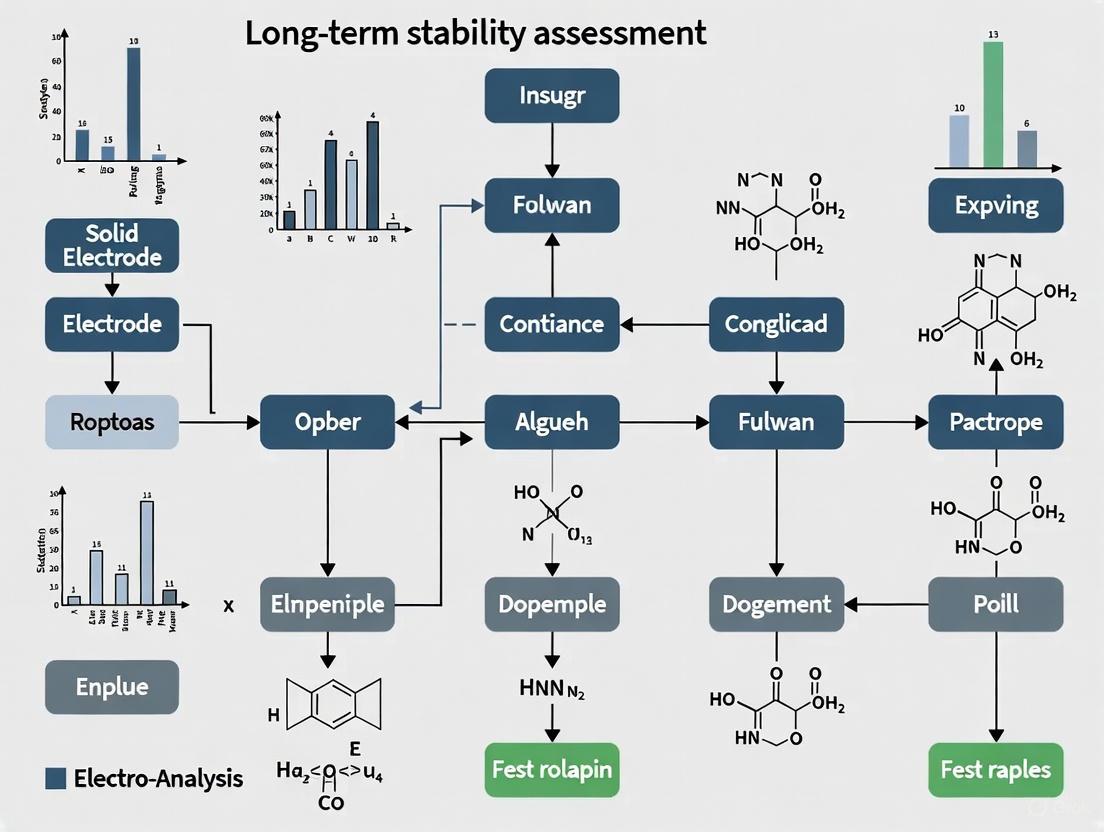
Long-Term Stability of Solid Electrode Materials: Degradation Mechanisms, Assessment Methods, and Future Pathways
This article provides a comprehensive assessment of the long-term stability of solid electrode materials, a critical factor for the development of next-generation energy storage systems.
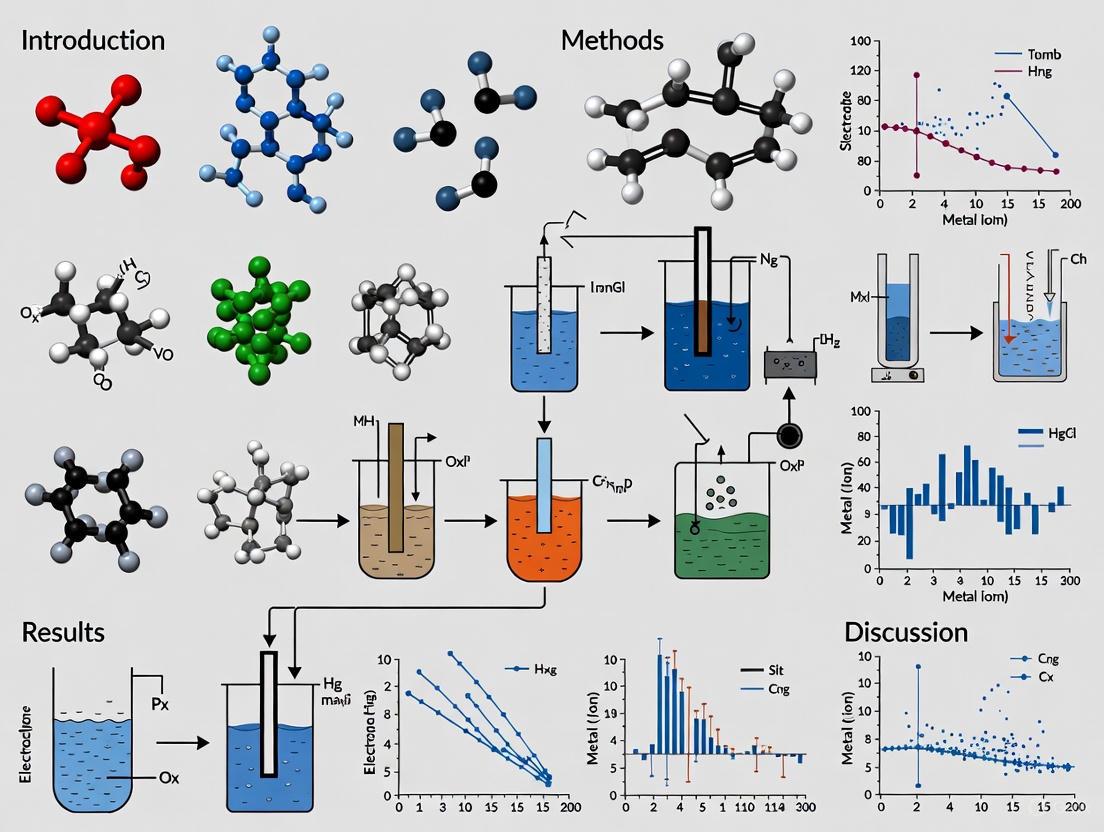
Comparative Analysis of Advanced Electrode Materials for Simultaneous Electrochemical Detection of Heavy Metals
This article provides a comprehensive comparative analysis of modern electrode materials for the simultaneous electrochemical detection of heavy metal ions, a critical capability for environmental monitoring, food safety, and biomedical...
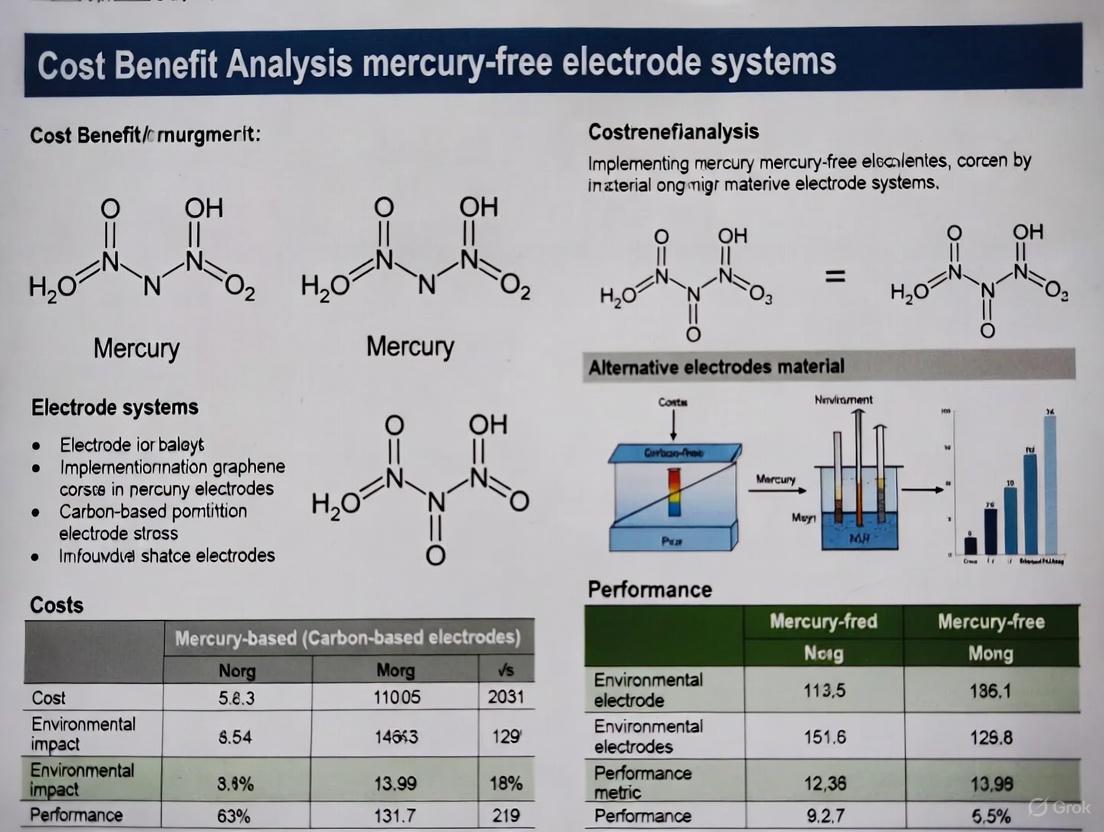
Mercury-Free Electrode Systems: A Comprehensive Cost-Benefit Analysis for Biomedical Research and Drug Development
This article provides a systematic cost-benefit analysis of implementing mercury-free electrode systems in biomedical and pharmaceutical research.
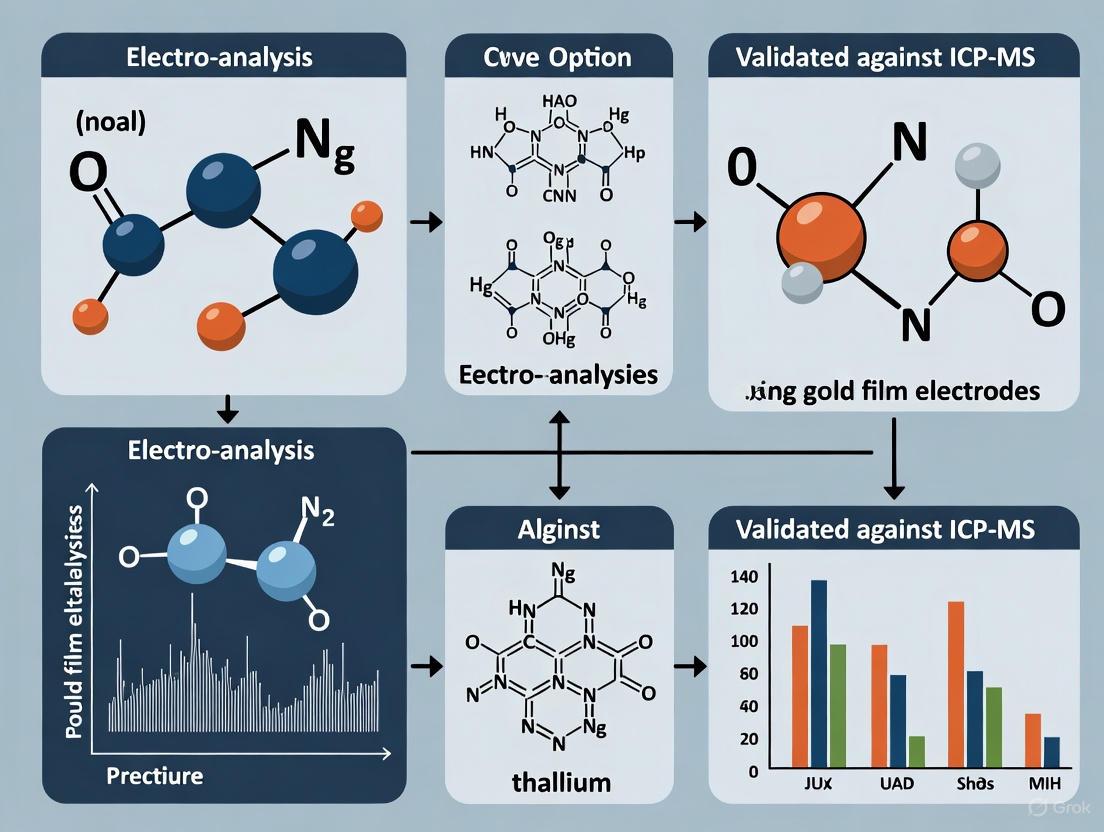
Validation of Gold Film Electrode Method Against ICP-MS for Thallium Detection: A Comparative Analysis for Biomedical Research
This article provides a comprehensive analysis validating the performance of gold film electrode (AuFE)-based electrochemical methods against the established reference technique, inductively coupled plasma mass spectrometry (ICP-MS), for the determination...
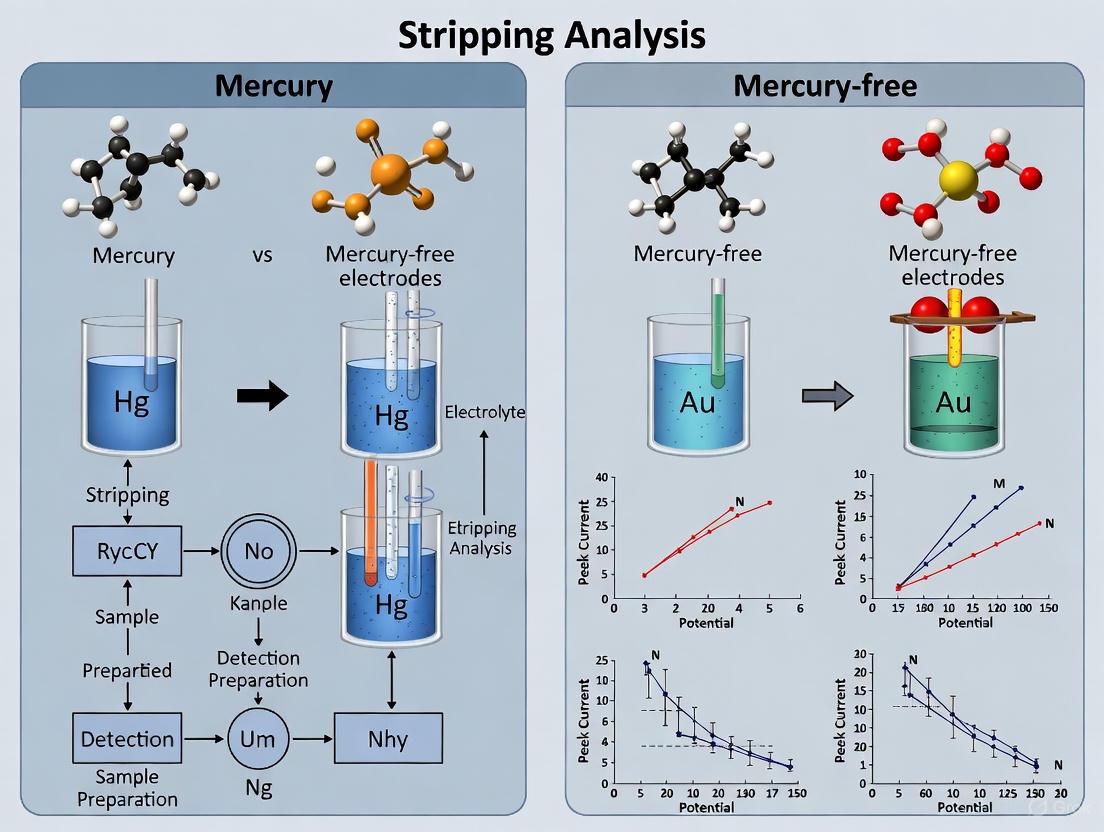
Mercury vs. Mercury-Free Electrodes in Stripping Analysis: A Comprehensive Guide to Performance, Reproducibility, and Modern Alternatives
This article provides a critical analysis of the transition from traditional mercury-based electrodes to advanced mercury-free alternatives in stripping voltammetry.
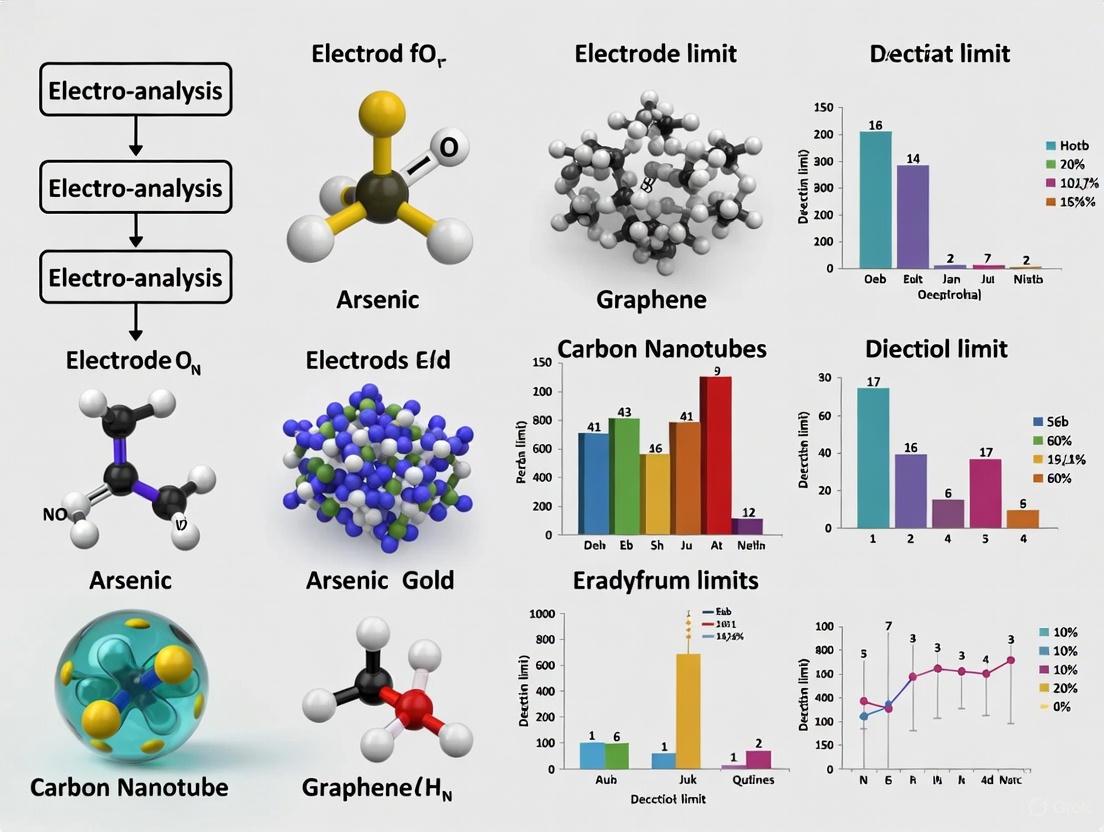
Detection Limit Comparison of Electrode Materials for Arsenic: A 2025 Review for Biomedical Researchers
Accurate detection of arsenic, particularly its highly toxic trivalent form (As(III)), is critical for environmental monitoring and public health.
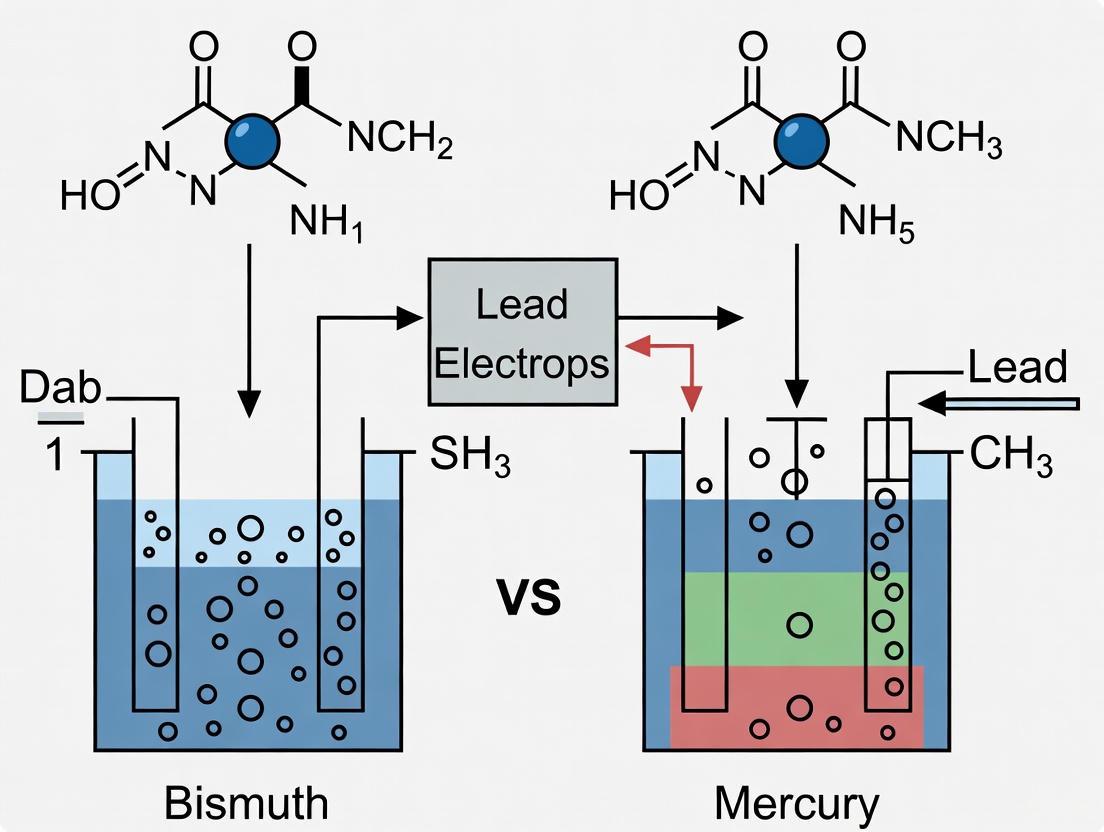
Bismuth vs. Mercury Electrodes for Lead Detection: A Comprehensive Performance Comparison for Researchers
This article provides a critical analysis for researchers and scientists on the performance of bismuth-based electrodes as an environmentally friendly alternative to traditional mercury electrodes for the electrochemical detection of...
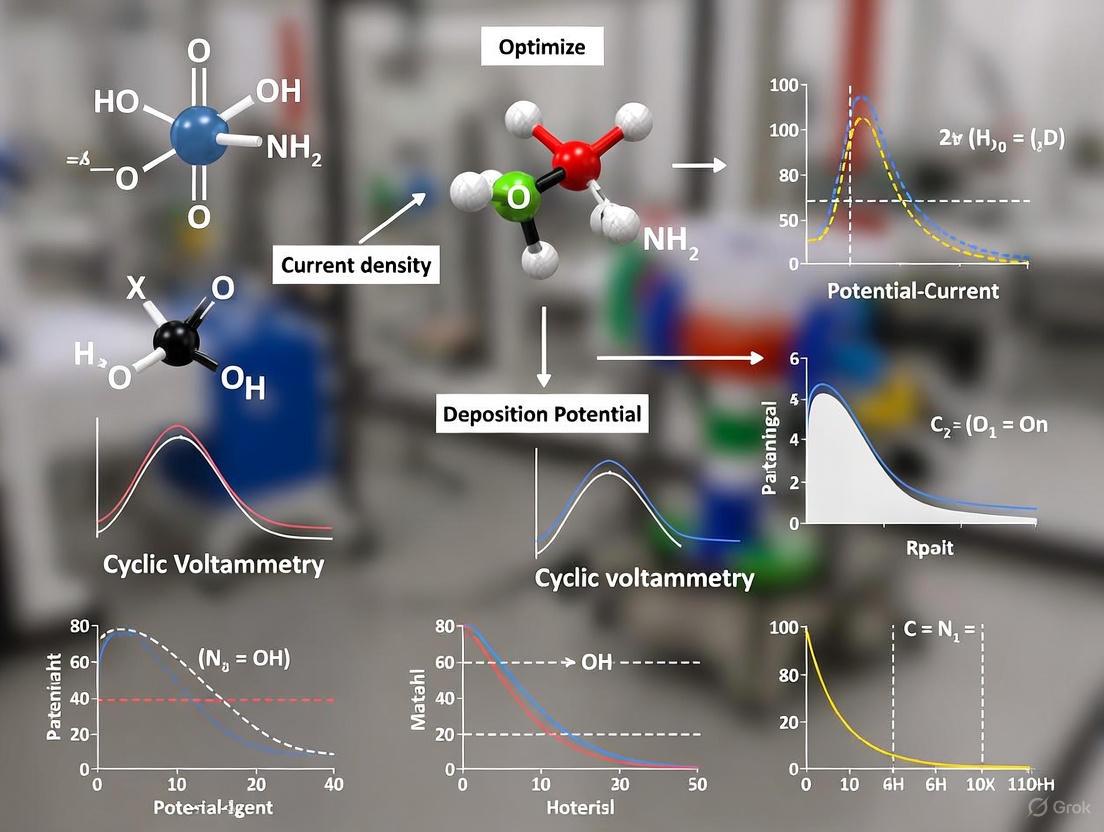
Optimizing Current Density and Deposition Potential for UPD: A Guide for Biomedical Researchers
This article provides a comprehensive guide for researchers and drug development professionals on the critical optimization of current density and deposition potential in electrodeposition processes, with a focus on applications...
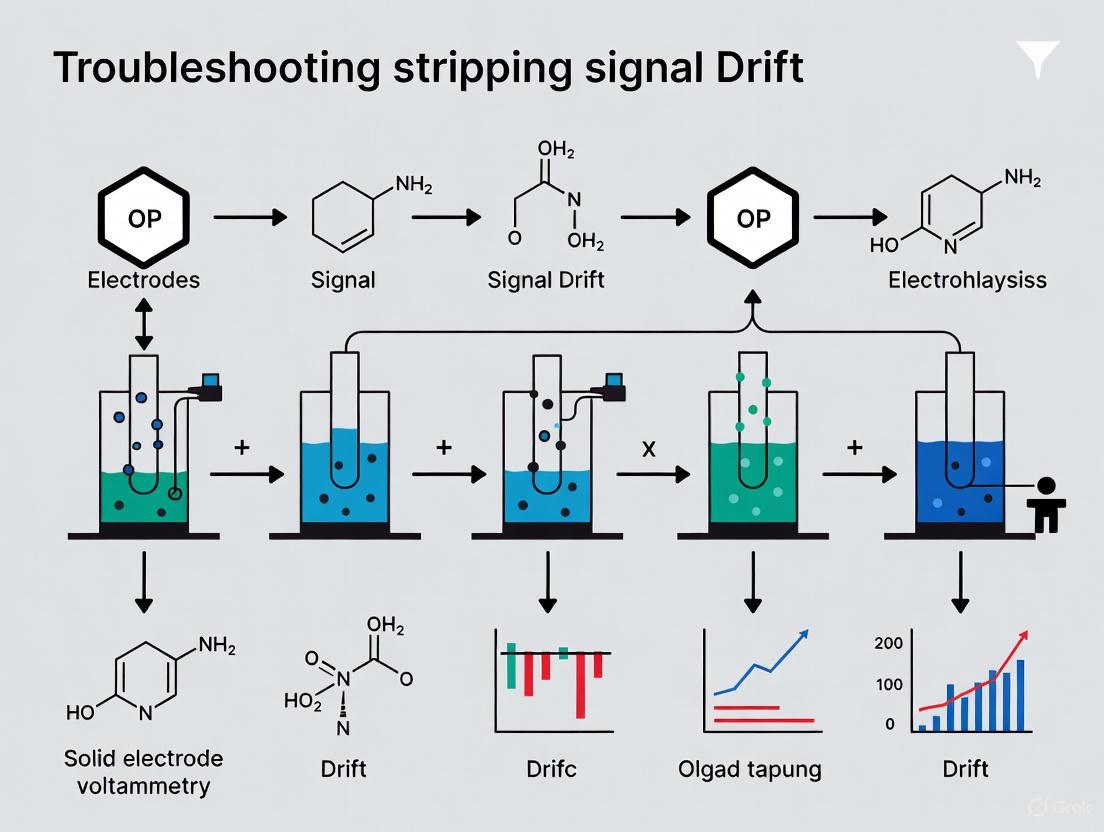
Stabilizing Your Stripping Voltammetry: A Practical Guide to Troubleshooting Signal Drift in Solid Electrode Systems
Signal drift in solid-electrode stripping voltammetry poses a significant challenge to the reproducibility and accuracy of trace metal analysis in biomedical and pharmaceutical research.
Breaking the ppb Barrier: Advanced Strategies for Ultrasensitive Trace Metal Analysis
This article provides a comprehensive guide for researchers and drug development professionals on achieving and validating ultra-trace metal analysis at sub-parts per billion (ppb) levels.